
Paver sealing for San Jose homes
Paver Sealing in San Jose, FL
From 1920s Spanish Revival to 1980s gated streets, San Jose pavers can get a free sealing estimate; call (904) 606-1450.
- Brings out deeper paver color
- Fresh joint sand helps lock pavers in place
- Gives weeds less room to grow
- Makes the surface easier to keep clean
- Free estimate, no obligation
Request a Free Estimate
Free, no obligation.
Fast, careful paver sealing in San Jose
Paver sealing is available across San Jose, from the oak-lined streets off San Jose Boulevard to the gated communities by the St. Johns River. A local contractor can wash, re-sand and seal walkways, driveways and pool decks, and the first estimate is free. Call (904) 606-1450 and someone will reply within 1 business day, usually much sooner.
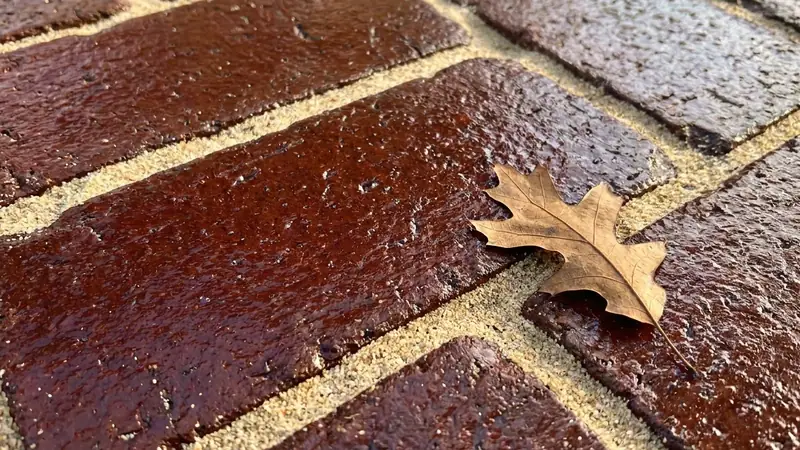
Say the brick walk to your door has gone dark under the oaks, with leaf prints, green edges and gaps where the sand left. A proper wash, new sand and a clean coat bring it back to one calm color. When you are ready, you can request your free estimate and name your street.
Why hire a local paver sealing contractor in San Jose?
San Jose homes come from three different eras, and big oaks shade most of them, so a paver job here is rarely a copy of the one next door. To hear what applies to your street, request your free estimate.
Walk-through at no cost
A contractor looks over your San Jose pavers and gives a price on the spot. Nothing is due, and the choice stays yours.
Published rates
Local companies commonly publish $1.75 to $3.25 per square foot to wash, re-sand and seal. Hold each bid against that range.
A finish for the house
Matte suits a Spanish Revival front or an old brick walk. Wet look shines but marks up sooner.
Free to decline
Choose the date and the finish, or say no after the estimate. A San Jose quote carries no obligation.
Get Your Free Estimate in San Jose
Tell us about your pavers in San Jose.
Free, no obligation
What paver problems show up most in San Jose?
Oak canopy and acorn stains
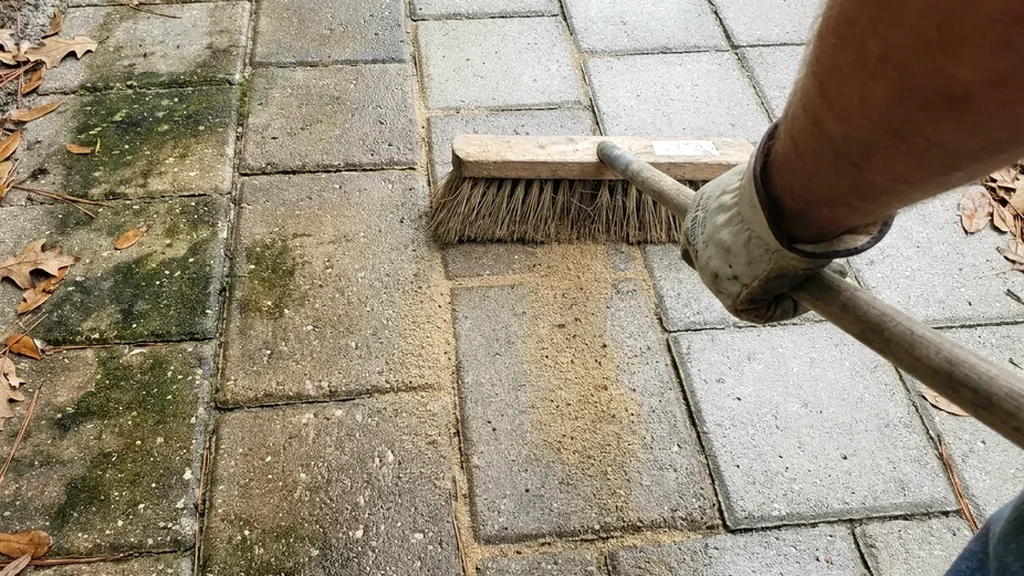
UF/IFAS says live oaks spread 60 to 120 feet and that water oak acorns can stain concrete and asphalt. Most San Jose streets sit under that kind of canopy, with Spanish moss hanging over the lawns. Leaves, acorns and moss all land on pavers. Where shade stays heavy and the surface stays damp, algae follows, so the north side of a walk usually greens first. Pollen and fallen blossoms settle into the same joints each spring. A walk that looks clean in March can look blotchy by June, which is why the wash gets more time on shaded sides. Live oaks also drop small twigs through the year, which lodge in the seams. The Bolles School opened in 1933 in the former hotel on San Jose Boulevard, and the oaks around it have had a long time to grow. Live oak canopy also slows drying after rain.
Three eras of building, three kinds of coat history
San Jose Estates started in the 1920s, a 1947 purchase re-platted much of the area for postwar subdivisions, and the Villages of San Jose arrived in the 1980s. Pavers laid in those different periods may carry sealer from different owners. Water-based sealer cannot go over solvent-based sealer, so the contractor must find out what is on the surface first. A homeowner who has lived here only a few years may not know the history. The contractor can test a small spot to find out. A 1947 purchase re-platted much of the land, and I-95, built a few miles east in the 1960s, kept the area mainly residential.
Ground that holds water after hard rain
The USDA says the Ortega soil series in Duval County is moderately well drained sand, with a water table that rises above 48 inches for a few days after heavy rain in wet periods. A Jacksonville year brings roughly 52 inches of rain. On a San Jose lot, joints lose sand and pavers stay damp. Sealer cannot go over a damp surface. That is why the contractor checks the forecast, and the low corners of the drive, before choosing a day. Storm days that follow a wet week are the hardest on joint sand. Goodbys Creek, which roughly divides San Jose and Mandarin, adds to the damp on the south side.
Flower beds and lawn edges that spill onto pavers
Many San Jose homes have lawns, shrubs and flower beds set right against the walk. Mulch, soil and fertilizer wash onto pavers in rain. Mulch stains show up as brown streaks, and fertilizer can leave rust-colored spots. They are cleaned at the wash stage, because sealer would hold them in place under the coat. Keeping soil and mulch back from the edge of the pavers cuts down on repeat stains between coats. Edges beside beds take the most wear, so they get a closer look. Trimmed hedges near the walk add leaf litter to the mix.
Roots that lift walks and drives
UF/IFAS says live oaks spread 60 to 120 feet, and roots follow much the same reach under walks and drives. Roots can lift pavers into ridges and open gaps that trap water. A lifted section is reset before sealing, since a coat over a ridge keeps the ridge. Point out any bump you trip over at the first visit.
Does a historic San Jose Estates home need different paver work than a newer one?
It can, since a few of the original homes carry local or national protection. About 21 original San Jose Estates houses remained, built in the Mediterranean Revival style, and six on Via de la Reina joined the National Register of Historic Places in 1985. If your house is one of them, tell the contractor when you request your free estimate.
Local historic districts and landmarks fall under a city rule: exterior work, driveways included, needs a Certificate of Appropriateness. Owners can search an address on the city's Land Development Map. The city page never names sealing, so ask staff, then call (904) 606-1450 with what you learn.
Gated areas add another layer. Epping Forest, a 58-acre riverfront estate off San Jose Boulevard, became a gated community of about 90 homes and 80 condominiums around a 1927 mansion. Florida law says an association may review changes only as far as its own documents allow. Give the contractor your gate and board details when you request your free estimate.
San Jose homes run from million-dollar waterfront mansions to small wood-frame starters, in styles from Spanish Revival bungalows to midcentury ranches. Waterfront decks are large, while lots away from the river have short drives and tight patios. Say which type you have when you request your free estimate.
What does paver sealing cost in San Jose?
In this region, published prices run $1.75 to $3.25 per square foot to wash, re-sand and seal. San Jose totals move with shade growth, missing sand and the age of the old coat. Big waterfront decks and long drives measure larger, so the total rises at the same rate. To price your layout, request your free estimate.
Access and surface type matter. A narrow side walk beside a flower bed takes more hand work than an open drive, and small jobs cost more per foot, one Jacksonville guide says. Ask for the measured area in writing. Dial (904) 606-1450 to hear which points fit your property.
| Paved area | Typical example | Clean, sand and seal |
|---|---|---|
| 300 sq ft | Small patio or walkway | $525 to $975 |
| 600 sq ft | Two car driveway | $1,050 to $1,950 |
| 1,000 sq ft | Large driveway or pool deck | $1,750 to $3,250 |
| 1,500 sq ft | Driveway plus pool deck | $2,625 to $4,875 |
Math based on the $1.75 to $3.25 per square foot that Northeast Florida paver companies publish. Your contractor sets the actual price after seeing the surface. Repairs, leveling and stripping failed sealer are usually extra.
How does a paver sealing job work in San Jose?
Read the surface and the paperwork
The contractor checks drainage, sunken spots and the coat already down. If your home sits in a historic district, you are asked about city approval. A coat over a dip keeps the dip, so repairs are done first. A home inside a historic district may need a Certificate of Appropriateness before exterior work, so the contractor asks early.
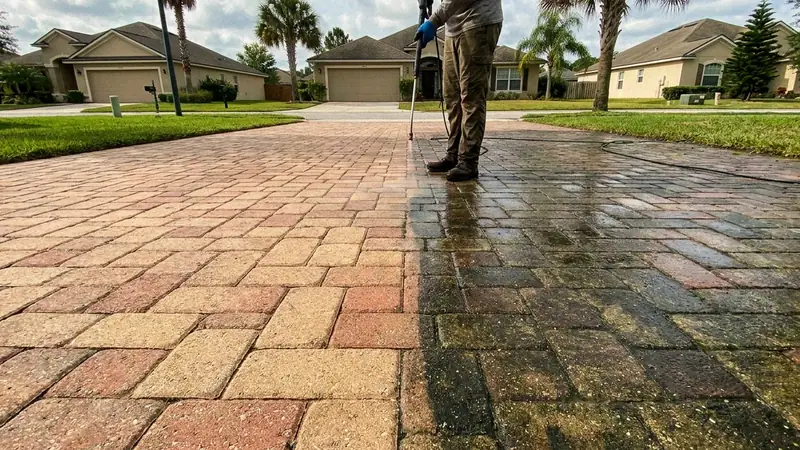
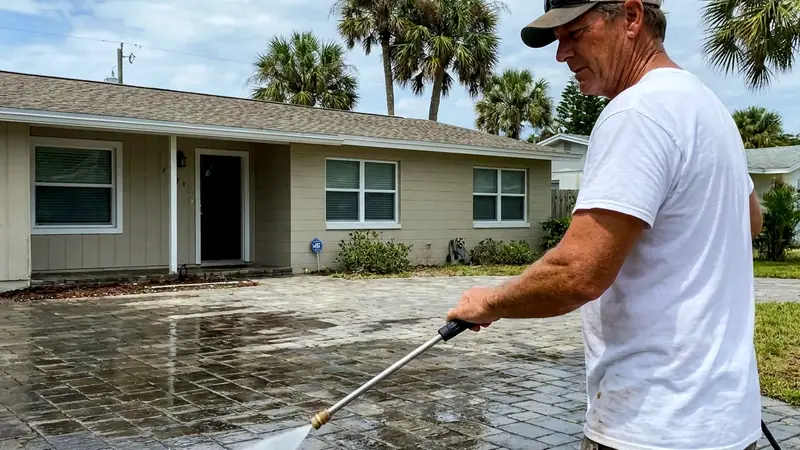
Wash off oak and bed debris
Leaf stains, acorn marks, moss and mulch streaks come off, along with any rust lines. Rinse water is kept off stone, brick and wood trim where pavers meet the house. That care matters most beside older Spanish Revival walls. Brick and stone near the pavers are rinsed gently, with attention to mortar.
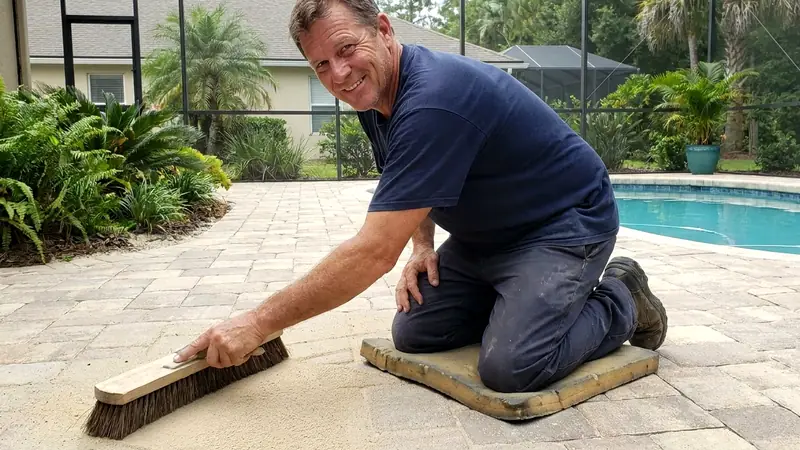
Brush new sand into the seams
A wash pulls joint sand out, so fresh sand is worked in before the coat. A heavy storm can empty thin joints fast, and open joints let soil in and weeds follow. Oak roots can leave low spots, so this step also shows where the walk has settled.
Wait out the damp
Pavers must be fully dry before sealer goes down. Oak shade, moss and a rising water table keep them damp for days after a storm. The contractor reads the forecast and the surface, then names the date. A patient start protects the coat.
Spray, roll and note the product
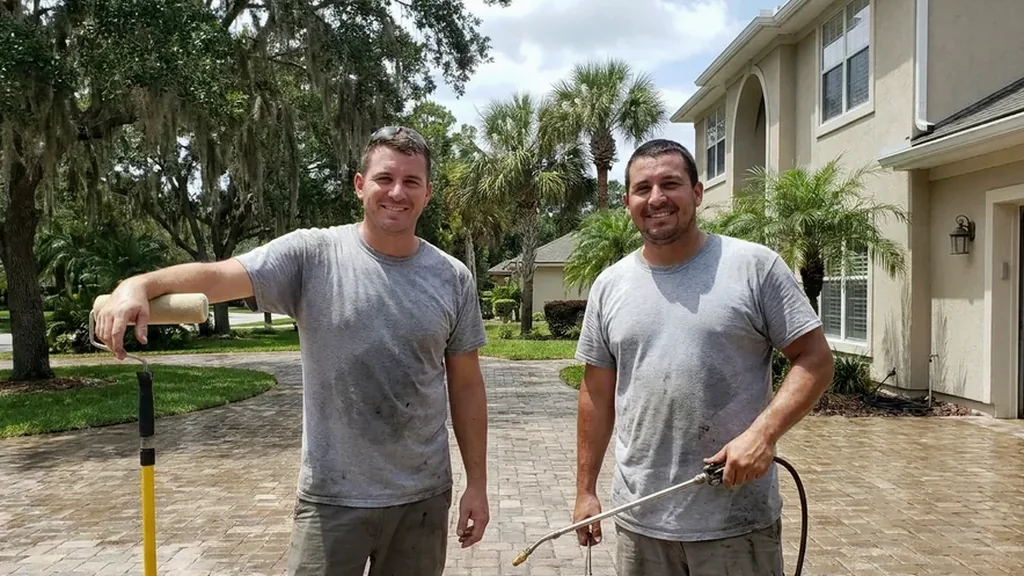
Your finish goes on by spray and roller, as one Jacksonville company describes it. Foot traffic often resumes within hours, with cars back on after about a day. Keep the product name for the next recoat. A water-based finish is not an option over a solvent coat, which is why the first step matters.
Complete paver services in San Jose
A San Jose job begins with a wash that clears oak debris and bed runoff. New sand comes next, then a wait for dry pavers, and the sealer is last so nothing dirty is trapped. Each step protects the next one. To ask how long yours would take, call (904) 606-1450.
Front walks, driveways, courtyards and pool decks all appear here, and each takes its own kind of wear. Oak shade greens a walk, tires crush a drive, and river air and splash work on a deck. The contractor treats each one for how it is used. List yours when you request your free estimate.
Sealer comes in two chemistries and two sheens. An earlier coat can decide the chemistry, and wet look scuffs sooner than matte. Beside older brick or stone, matte tends to blend in. To talk through a finish for your home, call (904) 606-1450.
The calendar follows rain. Summer storms are brief and hard, and the water table can rise for days afterward. Shaded pavers dry slowest, so a good window can move. To book a day that fits your street, request your free estimate.
Questions to ask before you hire
- Does the sealer you use leave a wet look or a natural matte finish?
- How often will these pavers need a fresh coat in this coastal sun and humidity?
- Will the quote say how many square feet you measured and how you got that number?
- What happens if it rains or the dew is heavy on the day you scheduled?
- Will you show me the sealer's data sheet, not just the product name?
- If a paver is cracked or loose, do you reset it before the wash or leave it?
- Does my HOA need a notice before the work, and can you give me a start date for it?
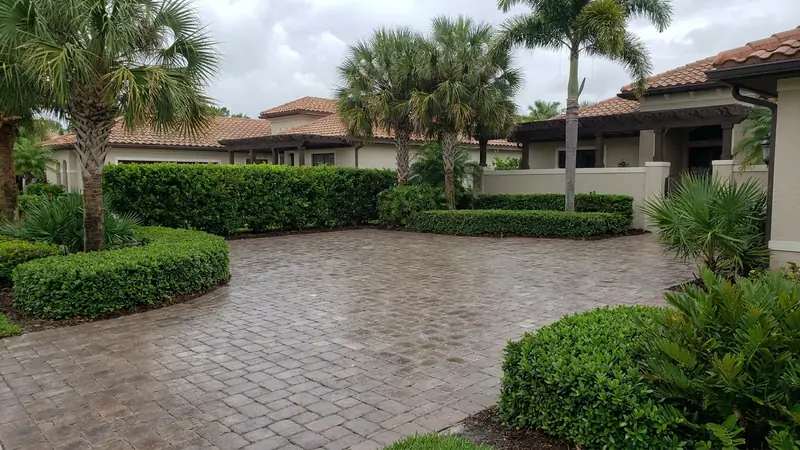
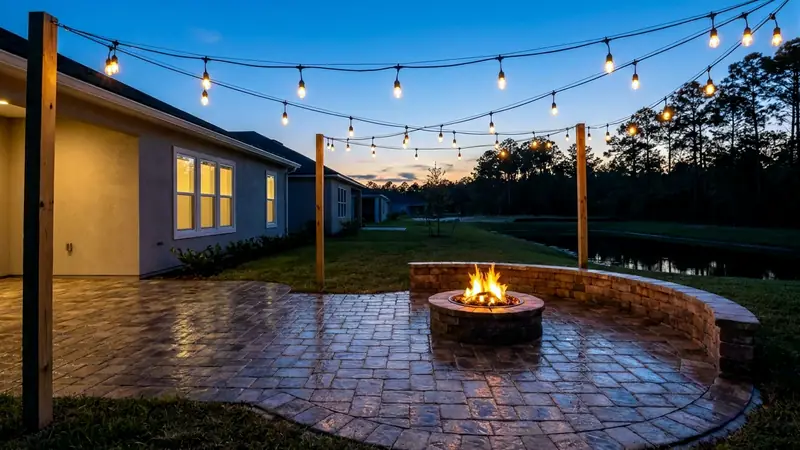
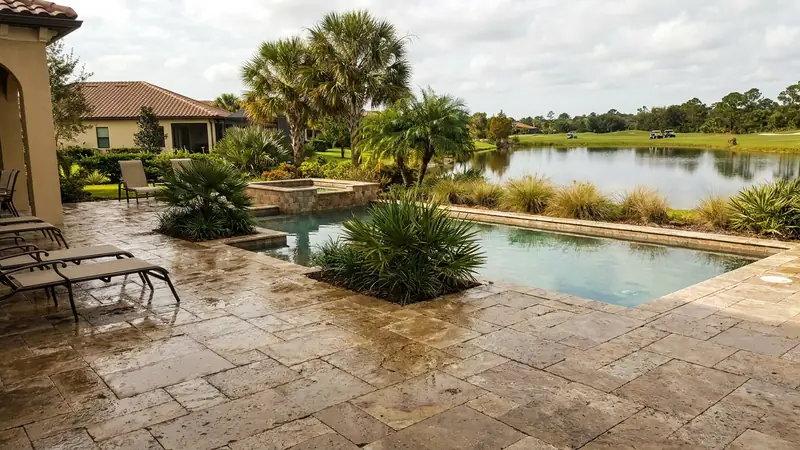
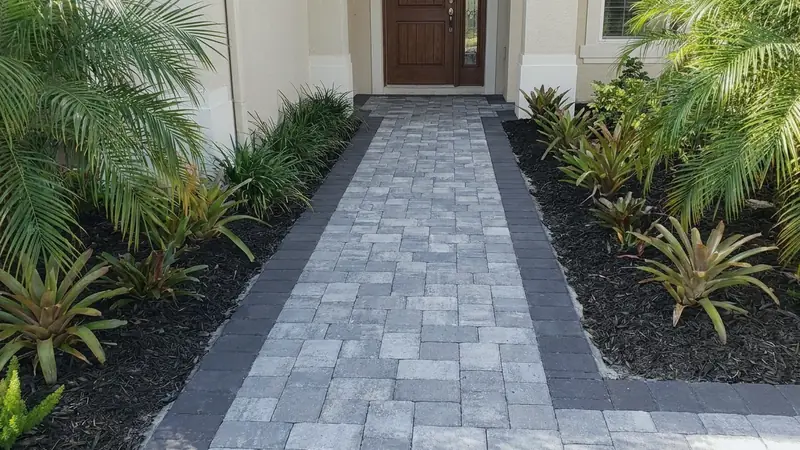
What do sealed pavers look like around San Jose?
Why local matters in San Jose
A contractor who knows San Jose will ask which part you live in. The old Estates, the postwar streets and the 1980s Villages each have different pavers and histories. That helps predict old coats and joint sand. To reach someone who serves this part of Duval County, call (904) 606-1450.
Rules vary by address. The city's Certificate of Appropriateness covers driveways in historic districts, and gated areas like Epping Forest have their own entry routines. A local contractor has dealt with both. You can request your free estimate and ask how your address would be handled.
Trees and river weather shape the day. Large oaks drop debris all year, and a nor'easter can push river water onto low lots. A local contractor plans the wash and the date around both. If your lot sits near the river or under the oaks, call (904) 606-1450 and say so.
The Villages of San Jose stands on the old Beauclerc Country Club land, and the Jewish Community Alliance now sits where the clubhouse and pool once were. Newer pavers there have a different history from the 1920s Estates. A contractor who knows the layers asks the right questions. Call (904) 606-1450 and say which layer you are in.
What local places help describe where I live in San Jose?
San Jose Boulevard is the main spine, and it was planned as a landscaped parkway. Along it you find The Bolles School, which opened in 1933 in the former San Jose Hotel, and the San Jose Country Club. Epping Forest sits off the boulevard at Christopher Point. Naming one of these when you request your free estimate helps the contractor find your street.
Goodbys Creek Preserve, at 9145 San Jose Boulevard, holds 39 acres along the creek that divides San Jose and Mandarin. The Villages of San Jose stands where the Beauclerc Country Club once did. Many neighbors know the area by these markers more than by street names. Call (904) 606-1450 and say which one is nearest.
Streets named for Spanish cities are a reminder that San Jose began as a planned 1920s community. John Nolen drew a radial street pattern around a plaza, and the northwest part of it survives near DuPont Junior High. Postwar and 1980s streets filled in the rest, so one block can hold three ages of pavers. To ask about your block, request your free estimate and name the cross street.
Epping Forest at Christopher Point began as a 58-acre riverfront estate, and its 1927 mansion later became a yacht and country club. The rest of the land became a gated community of about 90 homes and 80 condominiums. If your pavers sit behind that gate, request your free estimate and say so.
John Nolen's plan called for paved sidewalks on every street, and oak shade now reaches both the sidewalks and the pavers beside them. Plaza del Sanchez sat at the center of his 1,911-lot design. Name the nearest cross street when you call (904) 606-1450.
The San Jose Country Club course fills a triangle formed by San Jose Boulevard and Via de la Reina, with the old administration building at its tip. Six National Register houses stand on Via de la Reina itself. Call (904) 606-1450 and say if you live near the course.
Frequently Asked Questions
Is sealing pavers worthwhile in a San Jose neighborhood in Florida?
Many owners think so, since a coat follows a wash and new sand on pavers that sit under oaks. Shade, leaf litter and rain are the main wear factors here. Ask what a new coat would change on your surfaces. Streets here hold homes from the 1920s to the 1980s, so the answer is easier once the contractor sees yours.
How long does a sealer coat last under San Jose oaks?
Quotes usually run between two and five years. Heavy shade and daily tires point toward the short end. A Jacksonville company says water that soaks in and darkens a paver shows the coat is spent. Marking the next date on a calendar keeps the schedule honest.
How much is sealant for pavers around San Jose?
Published prices run $1.75 to $3.25 per square foot, and that covers the wash, the sand and the sealer together. Ask for the measured square feet in your quote. Waterfront decks and long drives add square feet quickly.
Do pros spray or roll sealer on San Jose pavers?
Both, according to a Jacksonville company: spray the sealer, then back-roll it. Rolling after spraying evens the coat and pushes sealer into the seams. Find out whether spray, roller or both is planned for your pavers. Mulch and soil near beds get rinsed away at the wash.
Do I need city approval to seal pavers in a San Jose historic district?
It depends on your address. Jacksonville requires a Certificate of Appropriateness for exterior work in local historic districts and on landmarks, and it names driveways as site work. The city page does not list sealing, so check the Land Development Map and ask staff. Historic districts show on that map, and a quick call settles it. Via de la Reina holds six houses added to the National Register in 1985.
Can my San Jose gated community's board dictate the sealer finish?
Only as far as its documents allow. State law holds a board to the standards its documents spell out or clearly imply. Read yours and ask the board in writing. Epping Forest, off San Jose Boulevard, is one example of a gated area.
What happens to a sunken paver near an oak root?
It is reset before sealing. A coat over a dip keeps the dip, one Jacksonville company notes. Point out any low spot near a root or the street at the first visit. Oak roots can lift a section more than once.
Does sealing take acorn stains off pavers?
No, stains are handled at the wash stage, and sealer would trap them if left. UF/IFAS notes that water oak acorns can stain concrete. Ask how stains on your surface will be treated before the coat goes down. Brown tannin marks often come out in the same wash when the pavers are in good shape.
Nearby areas we serve
Ready for a Free Estimate in San Jose?
Call (904) 606-1450 and tell us about your pavers.
Free, no obligation